Assistant



 Guaranteed provenanceDirect from the estates
 DeliveryFree Home delivery for orders exceeding € 300
 Secure PaymentVisa, American Express, Mastercard...

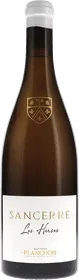
Matthias Planchon : Les Herses Rouge 2022
Stock currently at the producing estate – Will ship after 14 October 2026
Let's talk about this product!
A pairing in mind? A question about the vintage? Comparison with another product? Find the answers here...
Description
Characteristics and tasting tips for Les Herses Rouge 2022 from Domaine Matthias Planchon
Tasting
Nose
The nose reveals remarkable intensity with aromas of ripe and delicious red fruit.
Palate
The palate is enticed by this wine's ample and gourmet character, which is beautifully chiseled. The "Pinot" notes typical of the variety are fully expressed, accompanied by present, fine, and elegant tannins that structure the whole with refinement.
Food and wine pairings
This red Sancerre pairs equally well with an aperitif, fish, cheese, or desserts, demonstrating remarkable versatility at the table.
Service and storage
For the best tasting experience of Les Herses Rouge 2022, we recommend serving it at a temperature between 16 and 18°C.
A pure and racy Pinot Noir from Sancerre from a flint terroir
The estate
Domaine Matthias Planchon continues a family winegrowing tradition anchored in Sancerre. Spanning 5 hectares, farmed organically and biodynamically and Biodyvin certified, Matthias Planchon produces exceptional cuvées such as Les Herses or Le Paradis. Trained by Alphonse Mellot, this Loire winemaker combines long aging with rigorous vinification, embodying the excellence of Loire viticulture.
The vineyard
The Les Herses single vineyard extends over 0.98 hectares of flint terroir, locally known as "Perruches", which imparts structure and a characteristic stony minerality to the wine. Facing south-east, the Pinot Noir vines, several decades old, are cultivated according to organic and biodynamic farming principles, respecting solar and lunar cycles – a guarantee of concentration and quality for this exceptional red Sancerre.
Winemaking and aging
Harvested by hand and fully destemmed, the grapes undergo gentle cold maceration before a three-week maceration period, punctuated by discreet punching down and light pumping over. After gentle pressing, free-run and press wines are blended, then malolactic fermentation takes place partly in ceramic vessels and partly in 228-liter barrels (50%). This is followed by long aging on fine lees: one year in barrels and ceramic vessels, then one year resting blended in stainless steel tanks. Finally, the wine is bottled at the estate in accordance with the lunar cycle.
Grape variety
This Loire wine is a 100% Pinot Noir.