Assistant



 Guaranteed provenanceDirect from the estates
 DeliveryFree Home delivery for orders exceeding € 300
 Secure PaymentVisa, American Express, Mastercard...
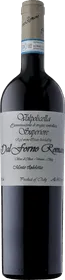
Dal Forno Romano : Amarone Della Valpolicella 2018
Only 1 available
In-Stock
Let's talk about this product!
A pairing in mind? A question about the vintage? Comparison with another product? Find the answers here...
Description
Tasting characteristics and advice for Dal Forno Romano Amarone Della Valpolicella 2018
Tasting
Color
The wine displays a deep ruby-red hue with dark, intense tones, reflecting the exceptional concentration achieved through the appassimento process.
Nose
Complex and expressive, the nose reveals intense aromas of licorice and cocoa intertwined with fruity notes of ripe plums and cherries. With aeration, the bouquet evolves toward scents of dark chocolate, sweet spices, dried rose, and lavender, complemented by subtle earthy nuances and toasted almonds.
Palate
Rich and enveloping, the palate offers a velvety texture carried by silky, remarkably well-structured tannins. Concentrated flavors of black cherries and plums mingle with notes of tobacco, leather, and spice, while the alcohol integrates harmoniously into the whole. The exceptionally long finish lingers elegantly on a persistent, refined tannic backbone.
Food and wine pairings
This Amarone Della Valpolicella 2018 pairs beautifully with grilled red meats such as bistecca alla fiorentina, braised beef dishes with wine-based sauces, duck confit, or game. Smoked preparations, like Texas-style beef brisket, create a remarkable harmony with the toasted notes imparted by aging in barrels. This wine also pairs wonderfully with aged hard cheeses such as Parmigiano Reggiano or Piave Vecchio.
Serving and cellaring
To fully enjoy Amarone Della Valpolicella 2018, decanting is recommended about 2 hours before serving to encourage aromatic opening. The ideal serving temperature is between 17 and 18°C. Thanks to its tannic structure and well-present acidity, this wine has aging potential of 15 to 20 years, allowing for harmonious evolution in the cellar under optimal temperature and humidity conditions.
An exceptional Amarone della Valpolicella from Veneto, a hallmark of Dal Forno Romano excellence
The estate
Founded in 1983 by Romano Dal Forno in Val d’Illasi in Veneto, the Dal Forno Romano estate has established itself as an absolute benchmark for Amarone della Valpolicella. Trained under the legendary Giuseppe Quintarelli, Romano revolutionized regional production by combining ancestral traditions with bold technological innovations. Since 2020, Marco Dal Forno, the founder’s eldest son, has managed the estate while continuing his father’s philosophy of excellence. The estate now spans around 34 hectares and produces wines recognized worldwide for their concentration, complexity, and outstanding aging potential.
The vineyard
Amarone della Valpolicella is made from vines located in the Lodoletta area, in the heart of Val d’Illasi, at around 305 meters above sea level. The alluvial soils, made up of 70% gravel, 15% silt, and 15% clay, provide optimal drainage and concentrate the nutrients available to the vines. The climate benefits from the moderating influence of Lake Garda to the west and the protection of the Lessini Mountains to the east, creating ideal conditions for slow, gradual ripening of the grapes. The drastic reduction in yields—with around ten vines needed to produce a single bottle of Amarone—guarantees remarkable aromatic and structural concentration.
The vintage
The 2018 vintage in Valpolicella was marked by a moderately warm spring and early summer, followed by cooler conditions during the ripening period and harvest. These conditions produced Veneto wines that are slightly lighter in structure than the 2015, 2016, or 2019 vintages, yet endowed with pronounced acidity that brings freshness and vibrancy. Among elite producers such as Dal Forno Romano, rigorous yield management and meticulous selection made it possible to obtain grapes of exceptional quality despite climatic challenges, giving rise to elegant wines with great aromatic complexity.
Winemaking and aging
After hand-harvesting, the grapes for Amarone Della Valpolicella 2018 undergo the traditional appassimento process for around four months in climate-controlled drying rooms equipped with an innovative ventilation system ensuring even dehydration. This step concentrates sugars, aromas, and phenolic compounds. Fermentation then takes place in temperature-controlled stainless-steel tanks for around 15 days with automated hydraulic pump-overs, followed by aging for at least 24 months in French oak barrels. The tanks are fitted with a vacuum system that eliminates any contact with oxygen after fermentation, thereby preserving the wine’s aromatic freshness.
Grape varieties
Corvina (60%), Rondinella (20%), complemented by smaller proportions of Molinara, Croatina, and Oseleta.