Discover your 100% Free Loyalty Programme | Discover
TrustMark
4.68/5
unchecked wish list
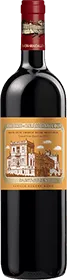
Château Ducru-Beaucaillou 1988
4 pictures
4 pictures
No Discount Applicable

Château Ducru-Beaucaillou 1988

2e cru classe - - - Red - See details
Parker | 89
Decanter | 93
Wine Spectator | 92
R. Gabriel | 18
Vinous Neal Martin | 86
€952.00 Incl. VAT
(
€317.33 / Unit
)
Packaging : a case of 3 Bottles (75cl)
1 x 75CL
€319.30
3 x 75CL
€952.00

Only 2 available

In-Stock

  • Delivery
    DeliveryFree Home delivery for orders exceeding € 300
    Right arrow icon
  • Guaranteed provenance
    Guaranteed provenanceWines sourced directly from the producing estates
    Right arrow icon
Marks and reviews

88

/100

Robert Parker

Robert M. Parker, Jr.

The 1988 Ducru is a medium-bodied wine, without the profound depth and sheer intensity of fruit of the 1989. Possessing high tannins and good ripeness, with an overall sense of compactness and toughness, it recalls the style of the best 1966 Médocs. Anticipated maturity: Now. Last tasted 1/93

92

/100

Wine Spectator

Thomas Matthews

Shows outstanding structure and definition. New oak comes through in the coffee and plum aromas and the palate is firm and concentrated, with delicious blackberry flavors. Hold until 2000 for it to soften and bloom.--Ducru-Beaucaillou vertical.

86

/100

Decanter

I have been able to taste this vintage on several occasions, and each time I’ve had the impression that something is amiss, either due to a lack of ripeness or a touch of TCA. There are earthy notes as well as some green bell pepper, spices, and oak. It is medium-bodied, but the tannins remain firm, and the finish is quite short.

86

/100

Vinous

Neal Martin

The 1988 Ducru-Beaucaillou, a late-picked vintage (30 September to 12 October), feels a little staid on the nose. Black fruit, touches of lavender, but there seems to be little energy or tension. The palate is better with black cherries and briary notes, but there is a greenness that is more jarring here than on the bottle I tasted at the estate three years earlier, suggesting that bottles should be consumed in the near future. Tasted at the Ducru Beaucaillou vertical at the château.

89

/100

Jeff Leve

Leve Jeff

Medium-bodied, fully mature, with notes of cassis, cranberry, earth, tobacco, cedar, and forest floor. There’s a hint of rusticity in the tannins and some green notes in the red berry finish that will appeal to old-school tasters. Successful for the vintage, this leans slightly to the classic, austere side of the style range. There is no reason to age this any longer.

17

/20

René Gabriel

91: Arrivage (18/20): Initially dusty, tight, cold smoke, lots of cedar. Rich in extract, truffle and blueberries. Extremely high tannin. An iceberg that is currently showing only a fifth of its huge potential. In twenty years it will overshadow them all. At the Arrivage we opened a second bottle because all participants complained about cork taint. It takes several years of tasting experience to properly assess and recognize a wine this great. The tasters who annoy me most are precisely those who condemn these wines but are actually nostalgic for the good old days. I wish for myself and other wine professionals that Jean-Eugène Borie lives many more years. His flagships Ducru, Grand-Puy-Lacoste and Haut-Batailley are not wines that can win a blind tasting today, but perhaps they will when the modern oenologists’ juices have long since met their end! Perhaps one day the final score here will even be 19/20? 99: Still very young, but shows a lot of power and will one day look very similar to the brilliant ’78 (18/20). 04: We had to wait a good hour until the wine was approximately ready to enjoy. Better to wait longer or decant for almost two hours. Still a great classic (18/20). We wanted to drink a magnum. We wanted to! But the wine was so incredibly closed that I decided to abort the exercise and uncorked another wine. I put the half-filled magnum in the cellar and followed the wine over several days. Four days later it finally opened and was still slightly green. Meaning: wait many more years if you really want to catch it at the right moment. Or else—decant for a day. (18/20). 08: Blind tasting: papery bouquet, somehow smells like cardboard, behind it a dry fruit and also floral tones. On the palate a bit mealy, medium-ripe tannins, metallic aftertaste, not fun. In this sense a “classic Ducru” from back then. Started with a disappointing 15/20 and then picked up a bit. However, there are said to be bottle variations. After an hour this bottle received a disappointing 16/20. The best ratings: 08: A bottle at home decanted for four hours. Young, powerful with great depth. A true classic that can be enjoyed for more than 10 years. But please decant for a long time! (18/20). 09: Difficult bouquet dominated by rather dull notes, behind which you notice depth and Bordeaux classicism. Meaty palate, the tannins still a bit grainy, gaining. Unfortunately, the élevage always carries a certain uncleanliness. Potential 18/20, fun: 16/20. 12: Long decant. It somehow slimmed down and became cooler, or rather slightly green. Nice depth, spicy pencil-lead scent, a hint of geraniol. Fine with very delicate capsule-like notes. (17/20). 18: Magnum. The color shows little depth, reaches to the rim and appears surprisingly youthful. The nose is idiosyncratic: on the one hand slightly green Cabernets, on the other it conveys lactic contours. Red damson plums still show a surprising fruit. Multi-layered and fine on the attack. Beautiful flow on the palate, dancing, harmonious. When you slurp it releases an absolutely delicate perfume. The poise of Saint-Julien. Back then Ducru was particularly strong in small and, as here, medium vintages. A dream magnum with 18/20. 18: Unfortunately a dull, unclean bottle in Remshalden. 21: Still very dark, a bit dull in the middle, almost no signs of maturity. The bouquet starts out difficult. Reductive, stubborn, shows vegetal tones, wet celery bark, green pepper, a glimmer of geraniol. With air it shows somewhat more positive sides. On the palate meaty, baroque, still feeling hard. In character it is more reminiscent of a brawny Saint-Estèphe than a Saint-Julien. There are bottle variations. With suitable food and long decanting it’s OK. (17/20).

89

/100

The Wine Independent

Lisa Perrotti-Brown

Medium to deep brick colored, the delicate nose of the 1988 Ducru-Beaucaillou reveals notes of black truffles, damp soil, tar, and dried Provence herbs, followed by waves of leather sofa, dusty soil, and dried figs, plus a medicinal waft. The light-bodied palate is refreshing and soft with faint, fully mature fruit cake and exotic spices flavors, finishing a little rustic. It’s still a delicious glass now, yet needs drinking up. Readers should note that this vintage fell within an inconsistent period at Ducru-Beaucaillou. The cellar is likely to have fallen victim to TCA or a TCA-like taint, and it appears some bottles were impacted from 1986 to 1994. By 1995, the chateau had a completely new vat room/cellar, and the problem ceased. Therefore, there could be some bottle variation affecting this vintage. This bottle, however, was pristine, having come directly from the château.

94

/100

Jean-Marc Quarin

Jean-Marc Quarin

Very deep red color. Very beautiful. Intense. Moiré, lively, crystalline. Nose of medium intensity. Closed. Roasted almond note. Fine. Complex. Closed. Becomes more intense with swirling. Licorice-like. Floral with a touch of blond tobacco. Linden blossom. Complex. Clean, supple attack, developing on a full structure with a very refined feel. Very slow, juicy tannic development, with floral, licorice-like, and complex flavors leading to a powerful finish strongly tasting of blackcurrant, with slightly chocolatey contributions from the oak. Fine tannins. Mouthwatering. A racy persistence on a noble framework. Plenty of reserve and class.

92

/100

Vinum

60% Cabernet Sauvignon, 25% Merlot, 15% Cabernet Franc, 5% Petit Verdot

Description

A Saint-Julien wine that delights with its finesse and aromatic richness

The estate

Château Ducru-Beaucaillou is an emblematic Cru Classé of Saint-Julien which oversees a prestigious terroir. Over the past 300 years, six families have worked to make this world-renowned cru shine. Owned by the Borie family since 1941, Château Ducru-Beaucaillou takes its name from its terroir of "beaux cailloux" (beautiful stones) made up of Günzian gravel. Managed by Bruno Borie, Château Ducru-Beaucaillou ranks among the elite of the great red wines of Saint-Julien. Vintage after vintage, it delights lovers of great Médoc wines throughout the world.

The vineyard

The uniqueness of Château Ducru-Beaucaillou lies in the exceptional quality of its vineyard located on Bordeaux’s Left Bank. The vines are planted on soils of Günzian and Pyrenean gravel deposited by the Gironde estuary nearly two million years ago. These poor soils produce great Saint-Julien wines.

The vintage

The mild weather in April and May advanced a good flowering, despite some run-off and millerandage due to moisture. June and July were sunny, preceding a particularly dry August.

Winemaking and ageing

Ageing in French oak casks, of which 66% were new.

Blend

Cabernet Sauvignon (65%)
Merlot (25%)
Cabernet Franc (5%)
Petit Verdot (5%)


Characteristics and tasting tips for Château Ducru-Beaucaillou 1988

Tasting

Nose
The nose is enticing, releasing scents of sweet plums, dried blackcurrant and toasted notes as well as those of coffee grains, tobacco leaf, cedar and smoked charcuterie.

Palate
The palate unveils through the tasting, from a delicate combination of structure and sweetness, rounded tannins with a soft and velvety texture. The finish is long-lasting, with delightful subtle notes of mocha.

To serve

For the best tasting, serve between 15 and 17°C.

Château Ducru-Beaucaillou 1988
2.0.0