Assistant



 Guaranteed provenanceDirect from the estates
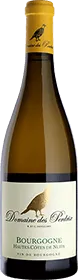
Domaine des Perdrix : Bourgogne 2025
En Primeur Wines – delivery in early 2028
Let's talk about this product!
A pairing in mind? A question about the vintage? Comparison with another product? Find the answers here...
Description
Characteristics and tasting tips for the Bourgogne 2025 from Domaine des Perdrix
Food and wine pairings
This Bourgogne from Domaine des Perdrix pairs beautifully with white meats in sauce, meat pies, herb-crusted pork tenderloin and grilled red meats, and also works very well with mature cheeses.
Serving and cellaring
The Bourgogne 2025 from Domaine des Perdrix will be at its best served at a temperature of around 13 to 14°C, which reveals the balance between freshness and structure that defines this cuvée.
A Bourgogne from Domaine des Perdrix rooted in the terroir of Premeaux-Prissey
The estate
The Domaine des Perdrix, located in Premeaux-Prissey, south of Nuits-Saint-Georges in the Côte de Nuits, was taken over in 1996 by the Devillard family, who have been involved in Burgundy wine for five generations and own other estates, including Château de Chamirey. The estate covers 15 hectares, more than half of which are classified as Premier Cru and Grand Cru, surrounding the Premier Cru Aux Perdrix, of which it is almost the sole owner. Renowned for the rigor of its practices, it produces, among other wines, a red Bourgogne from old vines in Premeaux-Prissey.
The vineyard
This Bourgogne comes from several plots in the commune of Premeaux-Prissey, covering approximately 1.98 hectares. The vines, planted between 1956 and 1965, are grown at a density of 10,000 vines per hectare on clay-limestone soils with a predominance of clay, 40 to 50 centimeters deep. The estate states that it gives these plots the same care as its most prestigious appellations.
Winemaking and aging
As with previous vintages of this cuvée, the Bourgogne 2025 is made from hand-harvested and hand-sorted grapes, followed by a cold pre-fermentation maceration intended to promote a gentle extraction of phenolic compounds. The cap is managed by punching down, and alcoholic fermentation relies on indigenous yeasts. Aging then takes place in French oak barrels, with a moderate proportion of new wood, in keeping with the methods the estate has applied to this cuvée.
Grape variety
This wine is made from 100% Pinot Noir.