Assistant


 Guaranteed provenanceDirect from the estates

 DeliveryFree Home delivery for orders exceeding € 300
 Secure PaymentVisa, American Express, Mastercard...
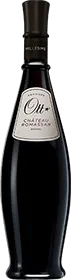
Domaines Ott : Château Romassan 2025
In-Stock
Let's talk about this product!
A pairing in mind? A question about the vintage? Comparison with another product? Find the answers here...
Description
Characteristics and Tasting Tips for Château Romassan Rosé 2025 from Domaines Ott*
Tasting notes
Appearance
The colour is a delicate peach hue with subtle coppery highlights, a hallmark of the elegance typical of Bandol rosés.
Nose
Generous and charming, the bouquet harmoniously blends citrus and passion fruit notes, offering an alluring aromatic intensity from the moment it is opened.
Palate
Broad and mouthwatering, the palate is built on the freshness of mandarin, lifted by a fine touch of red Sichuan pepper. The dense, persistent finish stretches out with nuances of pomelo, lending remarkable length.
Food and wine pairings
This exceptional rosé pairs ideally with grilled fish, ceviche-style dishes, or Mediterranean cuisine with briny, lemony accents.
Serving and cellaring
Château Romassan Rosé 2024 is best enjoyed chilled, between 10 and 12°C. It can be enjoyed now, while gaining in complexity until around 2027.
The Richness and Structure of a Bandol Rosé Wine
The estate
Founded in 1896 by Marcel Ott, an Alsatian agronomist, Domaines Ott* brings together three Provençal estates: Château de Selle (1912), Clos Mireille (1936) and Château Romassan (1956). Part of Maison Louis Roederer since 2004, they remain managed by Jean-François and Christian Ott. A historic benchmark of excellence in Provence, the house has been certified organic since 2022. Its emblematic bottle, designed in 1932, and its reputation for crafting some of the world's greatest rosés contribute to its international renown.
The vineyard
This cuvée comes from a 90-hectare vineyard spread across 8 communes within the Bandol appellation. The marly and limestone soils are particularly well suited to Mourvèdre. The terroir is distinguished by two main types of climate: the valleys bring more juiciness and crunch, while the hillsides at altitude and the restanques (terraces) give the wines of the south-east more body and structure.
Grape varieties
Mourvèdre, Cinsault and Grenache.